
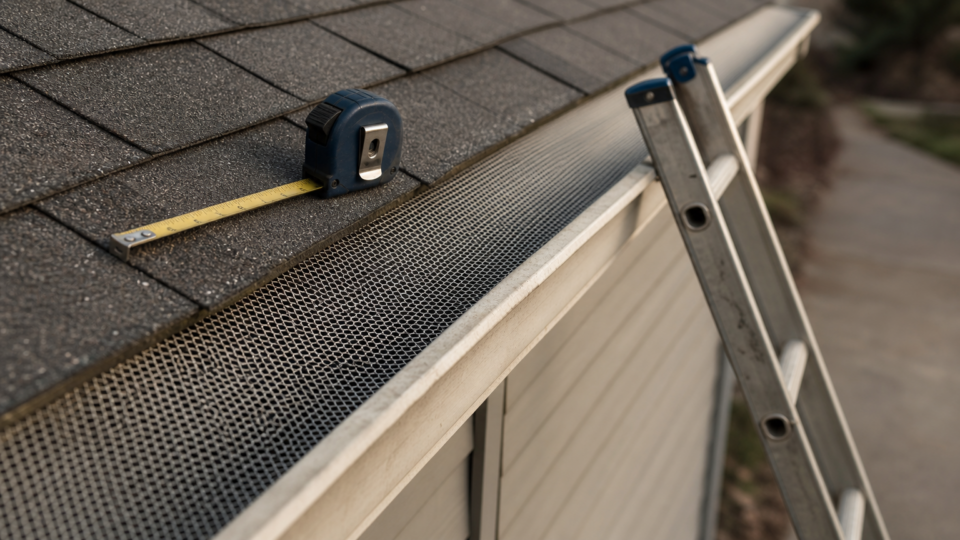
Short answer: You’ve gotten a couple of quotes for leaf guards and they’re all over the map, one contractor says $7 a foot, another says $25, and now you’re wondering who’s padding the number. That gap is real, and it usually comes down to material and installation quality rather than someone trying to rip you off. The cost of gutter leaf guards typically runs between $4 and $30 per linear foot installed, and knowing where your project lands on that range depends on a few specific factors. Ready for quotes? Compare local pros →
In this guide
This guide breaks down exactly how much do leaf gutter guards cost by guard type, much like our wider look at what gutter guards cost in 2026, so you can see why foam inserts sit at the low end while micro-mesh and reverse-curve systems climb higher. You’ll also see what drives the final bill up or down: home size, story count, roof pitch, and how much tree debris your property deals with each fall.
We’ll walk through average cost of gutter leaf guards for a typical single-story home versus a two-story house with mature trees, plus DIY pricing if you’re handling installation yourself. By the end, you’ll have real numbers to compare against any quote you get.
Why gutter leaf guard costs vary so much
That $7 versus $25 gap isn’t random. Gutter leaf guards aren’t a single product, they’re a category that spans thin foam inserts you snap into place yourself to fully welded stainless steel micro-mesh systems installed by a crew with a torque wrench and a warranty book. Material choice alone can account for most of the swing you’re seeing on quotes, but it’s not the only variable at play. Roof pitch, home height, how much tree cover you have, and even which region you live in all nudge the final number up or down before a single contractor sets foot on your ladder.
Material sets the floor and ceiling
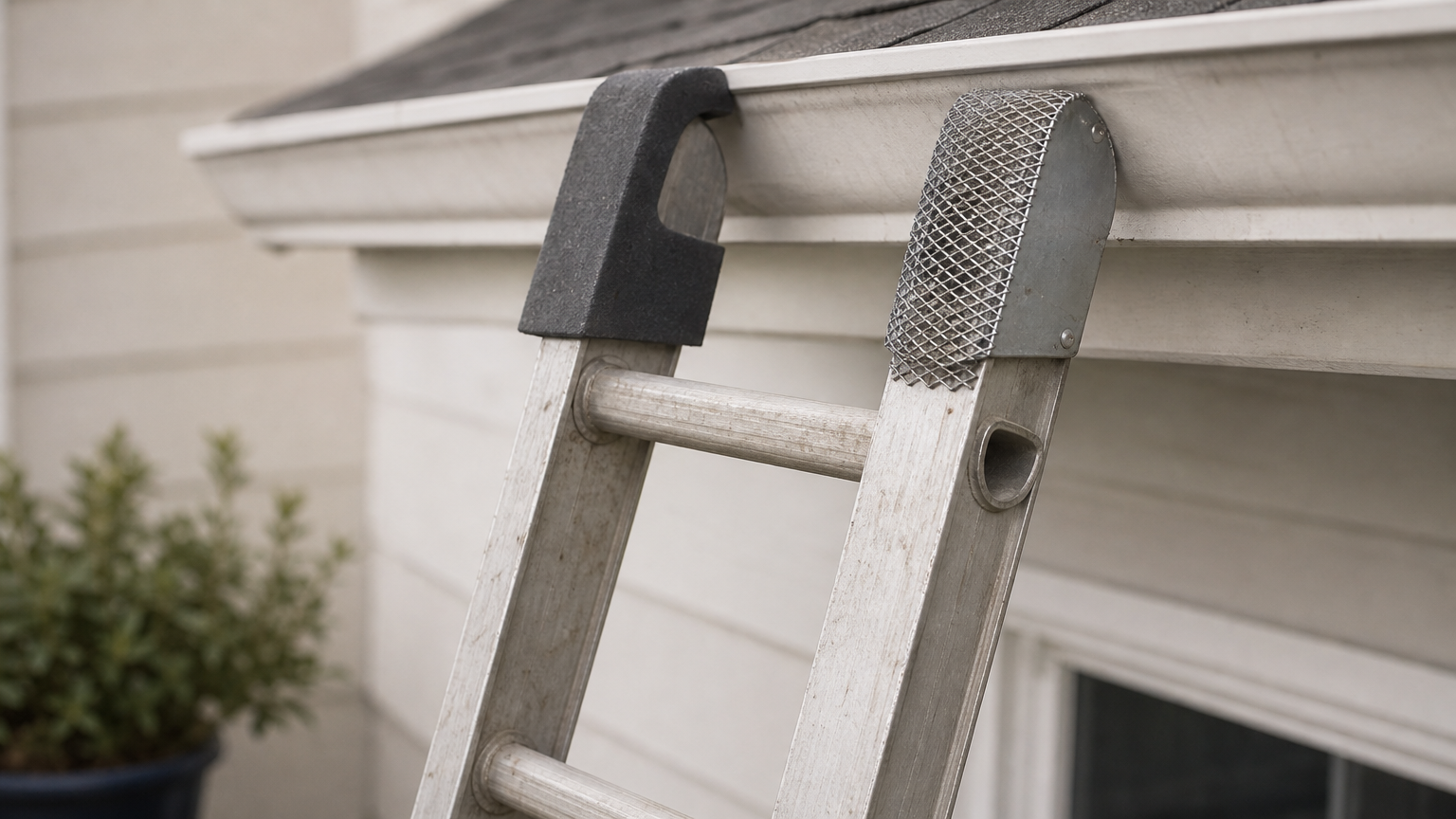
Foam and brush inserts sit at the bottom of the price range because they’re cheap to manufacture and take minutes to install, you basically shove a foam strip into the gutter channel and you’re done. Micro-mesh and reverse-curve systems sit at the top because they use stamped aluminum or steel, require precise fitting under the shingle line, and often come backed by 20 to 25-year warranties. Leaf guard gutter prices climb in a fairly predictable order:
| Guard Type | Typical Installed Cost (per linear foot) |
|---|---|
| Foam inserts | $4 to $8 |
| Brush/bottle-brush | $5 to $9 |
| Aluminum screen | $6 to $12 |
| Reverse-curve (surface tension) | $12 to $25 |
| Micro-mesh | $10 to $30 |
The material you pick swings your price more than any other single factor, so start your budgeting there before worrying about labor rates.
Roof pitch and home height change the labor math
Installers price steep roofs and multi-story homes higher because the job takes longer and carries more risk. A single-story ranch with a gentle 4:12 pitch is a straightforward ladder job. A two-story colonial with a 9:12 pitch means renting or hiring lift equipment, adding harnesses, and slowing the crew down section by section. Roofline complexity, meaning valleys, dormers, and multiple gutter runs at different heights, adds even more time. Expect quotes on steep or tall homes to run 15% to 30% higher than the same guard on a flat, single-story ranch, purely because of access and safety requirements.
Debris load and local tree cover
Homeowners under heavy pine or oak canopy need more robust guards, and that pushes cost up too. Pine needles slip through wide-mesh screens that would stop oak leaves just fine, so a property loaded with conifers often needs the finer micro-mesh product rather than a cheaper aluminum screen. Similarly, a house with minimal tree cover might get away with a basic reverse-curve guard for years. If you’re comparing gutter leaf guard prices across neighbors and getting different numbers, check what’s growing over each roof before assuming someone’s overcharging.
Region and labor rates
Geography matters just as much as the product itself. Labor costs in the Northeast, California, and other high cost-of-living metro areas typically run 20% to 40% above the national average, while parts of the Midwest and South tend to land closer to baseline national averages. According to the U.S. Bureau of Labor Statistics, construction trade wages vary substantially by metro area, which is a big part of why the same micro-mesh product installed in Ohio might cost noticeably less than in Boston or San Francisco. Permit requirements and licensing rules also differ by municipality, and some areas require permits for gutter work attached to roofline modifications, adding a small administrative fee to your total.
Contractor experience and crew size
Finally, who you hire matters. A two-person crew from an established local company with proper insurance and workers’ comp will typically charge more than a solo handyman working out of a truck, but that premium often buys you a real warranty and someone to call if the guards fail in three years. Established installers also tend to carry manufacturer certifications for premium products like micro-mesh systems, which can affect whether the warranty is even valid. None of these factors work in isolation, they stack together, which is exactly why two quotes for the same house can look so different.
What should this cost you?
Answer four questions and get a fair price range for your home.
How to estimate your gutter leaf guard cost
Getting a real number for your own house takes about ten minutes and a tape measure. Once you know your linear footage and your preferred guard material, you can run a quick calculation and land within a few hundred dollars of what a contractor will quote you. How much do gutter leaf guards cost for your specific home comes down to three inputs: total linear feet of gutter, the guard type you want, and any access complications like story count or roof pitch.
Measure your gutters first
Start by walking the perimeter of your house and measuring every run of gutter, not just the front. Most single-story homes have 150 to 200 linear feet of gutter total, while larger two-story houses often run 200 to 300 feet once you count all sides and any dormers. Grab a notepad and note down each section separately, since some contractors price complex rooflines with multiple short runs differently than one long continuous stretch.
Multiply by your guard type
Once you have your linear footage, multiply it by the low and high end of your chosen guard type’s per-foot price from the table above. A 200-foot single-story home getting aluminum screen guards, for example, lands between $1,200 and $2,400 installed. That same house with micro-mesh could run $2,000 to $6,000. Gutter leaf guard prices scale directly with footage, so doubling your linear feet roughly doubles your total, all else being equal.
Multiply your linear footage by the per-foot price of your chosen guard type, then add 15% to 30% if you’re on a steep roof or a second story.
Adjust for access and condition
Don’t stop at the base multiplication. If your home has a steep pitch, multiple stories, or gutters in rough shape that need repair before guards go on, add that 15% to 30% premium discussed earlier. Existing gutters also matter here: if yours are sagging, pulling away from the fascia, or pitched wrong, a contractor will often recommend fixing those issues first, which adds a separate line item to your estimate.
Use a calculator for a faster answer
Running this math by hand works fine for a rough figure, but plugging in your exact details gets you closer to a real number without guessing at premiums. Guardian Gutter Guide’s tool for what you’ll really pay for guards installed factors in your home size, story count, guard type, material, debris level, and region all at once, so you get a personalized range in under a minute instead of averaging national figures that may not fit your climate or roofline.
Gutter leaf guard prices by type and material
Each guard type comes in more than one material grade, and that’s where a lot of buyers get surprised at the final invoice. A "micro-mesh" quote from one company might use aluminum mesh riveted to an aluminum frame, while another uses stainless steel mesh on a heavier aluminum frame, and the second option can run 40% more even though both get marketed under the same name. Knowing the cost of gutter leaf guards by material, not just by type, helps you compare apples to apples instead of guessing why two "micro-mesh" quotes look nothing alike.
Foam and brush: the budget tier
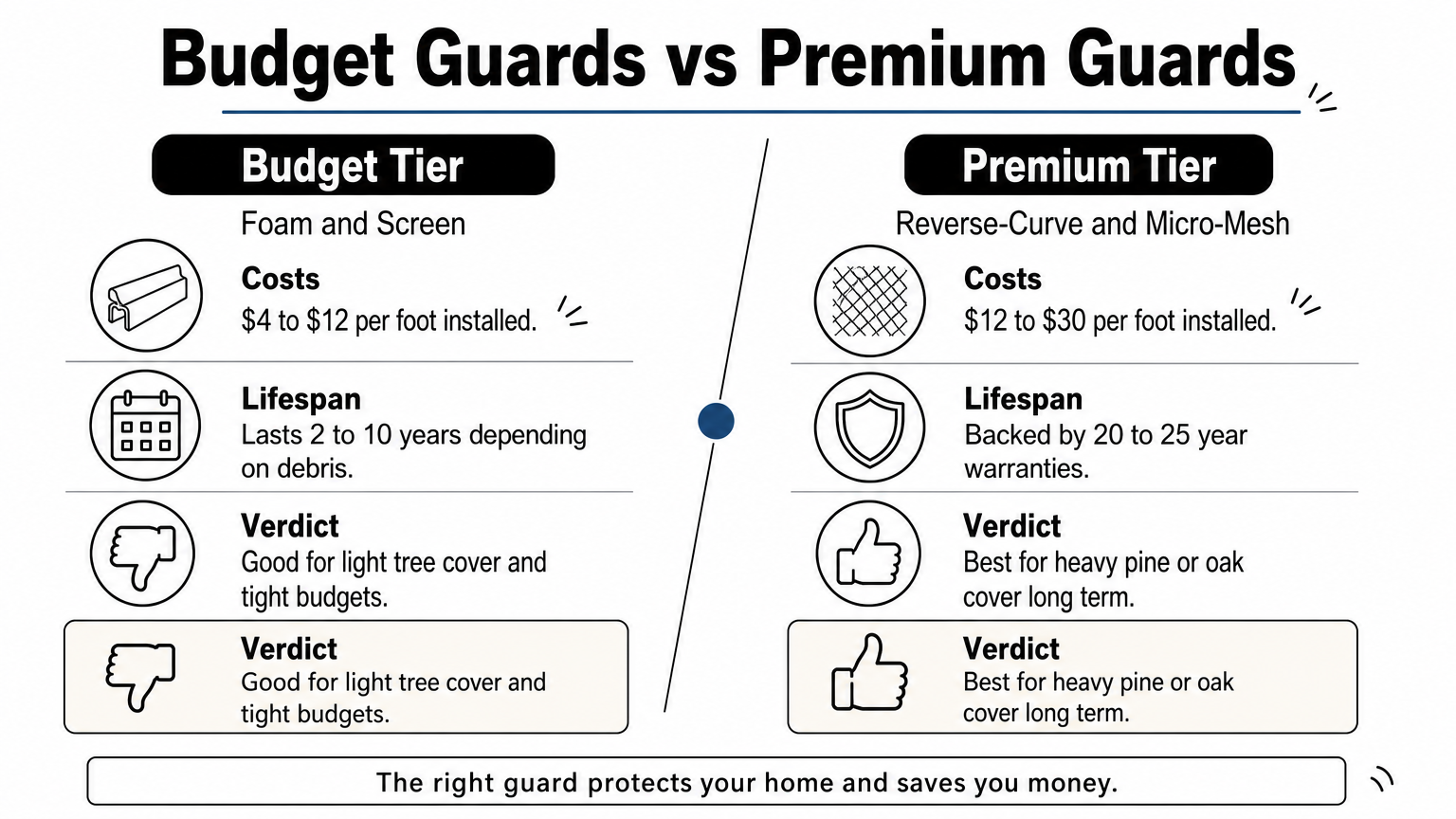
Foam gutter guards are just that, a strip of porous foam wedged into the gutter channel, and they’re almost always sold in aluminum-backed or plain foam versions. Brush guards work similarly but use stiff bristles instead of foam, which resists compacting less over time. Both are leaf free gutter guard prices at their lowest, typically $4 to $9 per foot installed, because there’s no precision fitting involved and most homeowners can install them without a crew at all.
Aluminum screen: the middle ground
Screen guards are stamped aluminum sheets with slots or perforations, and they come in mill-finish or painted versions, with painted costing $1 to $2 more per foot for the better finish and slightly longer lifespan. This tier works fine for oak leaves and larger debris but struggles with pine needles, which slip right through the wider gaps.
Reverse-curve and micro-mesh: the premium tier
Reverse-curve guards, also called surface tension guards, rely on a curved nose that lets water flow in while debris slides off the edge. They’re almost always aluminum, and the price spread inside this category comes down to gauge thickness and warranty length rather than material swaps. What micro mesh guards are and what they cost is where material choice matters most: aluminum-mesh versions run $10 to $18 per foot, while stainless steel mesh versions, which resist rust and hold up better under heavy debris, run $18 to $30.
Stainless steel micro mesh costs more upfront, but it’s the only option built to outlast a 20-year roof under heavy pine cover.
| Guard Type | Material Variant | Typical Cost (per linear foot) |
|—|—|
| Foam/Brush | Plain foam or bristle | $4 to $9 |
| Aluminum Screen | Mill-finish | $6 to $10 |
| Aluminum Screen | Painted/coated | $8 to $12 |
| Reverse-curve | Standard aluminum | $12 to $20 |
| Reverse-curve | Heavy-gauge aluminum | $18 to $25 |
| Micro-mesh | Aluminum mesh | $10 to $18 |
| Micro-mesh | Stainless steel mesh | $18 to $30 |
Going with the cheapest option in each category isn’t always the smart move. A foam insert under a heavy oak canopy will need replacing every two to three years, while a mid-range aluminum screen or reverse-curve system under the same tree might run a decade before needing attention. Matching the material to your actual debris load, not just your budget, is what keeps your long-term leaf guard gutter prices lower than they look on paper.
Gutter leaf guard costs by home size and project scope
Home size drives your total bill more than any single spec sheet number, since a bigger house simply needs more linear feet of guard no matter which material you pick. A 1,500-square-foot ranch and a 3,500-square-foot two-story colonial can use the exact same micro-mesh product and still land $2,000 apart in total cost, purely because of footage and access. Looking at the average cost of gutter leaf guards by home category gives you a faster reference point than working the per-foot math from scratch every time.
Small and mid-size single-story homes
Single-story homes under 2,000 square feet typically carry 150 to 180 linear feet of gutter, and installation stays simple since a crew never needs a lift or harness. Budget guards on this size home run $600 to $1,600 total, while premium micro-mesh lands between $1,500 and $5,400. Project scope stays narrow here too, since most single-story jobs finish in a single day.
Two-story homes
Two-story houses usually run 200 to 250 linear feet once you count both levels and any garage runs, and the second story adds real labor cost even before guard material enters the equation. Expect a 15% to 25% premium over single-story pricing on the same product, mostly from the added time and equipment needed to work safely at height. Reverse-curve or micro-mesh guards on a typical two-story home commonly total $2,800 to $7,500 depending on material grade.
Large or architecturally complex homes
Oversized homes, or houses with multiple roof pitches, dormers, and valleys, push both footage and labor time up simultaneously. A 3,000-plus square foot house with 300 or more linear feet of gutter and a complicated roofline can push total project cost past $8,000 for full micro-mesh coverage. Quotes on this scale should always break out labor and material separately so you can see exactly what’s driving the number.
A bigger house doesn’t just mean more gutter footage, it means more labor hours per foot too, so costs rise faster than square footage alone suggests.
Partial installs versus whole-house coverage
Not every homeowner needs guards on every gutter run. Some only cover the sections under trees, leaving open runs on the sunny side of the house untouched, which cuts total cost proportionally to the footage skipped.
| Home Size | Typical Linear Feet | Budget Tier Total | Premium Tier Total |
|---|---|---|---|
| Single-story, under 2,000 sq ft | 150 to 180 ft | $600 to $1,600 | $1,500 to $5,400 |
| Two-story, 2,000 to 3,000 sq ft | 200 to 250 ft | $1,000 to $2,500 | $2,800 to $7,500 |
| Large/complex, 3,000+ sq ft | 300+ ft | $1,500 to $3,600 | $4,500 to $9,000+ |
Skipping full coverage saves money upfront, but it also means you’re still cleaning the uncovered runs by hand, so weigh that ongoing labor against the install cost you’re avoiding.
Extra costs and fees that can affect your total price
Most quotes only show the base install cost, but several add-on charges can bump your final number by hundreds of dollars if you don’t ask about them upfront. Gutters that are sagging, rusted, or pulling loose from the house often need repair before any guard goes on, and that work almost never shows up in the headline price a contractor gives you over the phone. Knowing what’s typically excluded from a base quote keeps you from getting blindsided at final invoice time.
Gutter repair and prep work
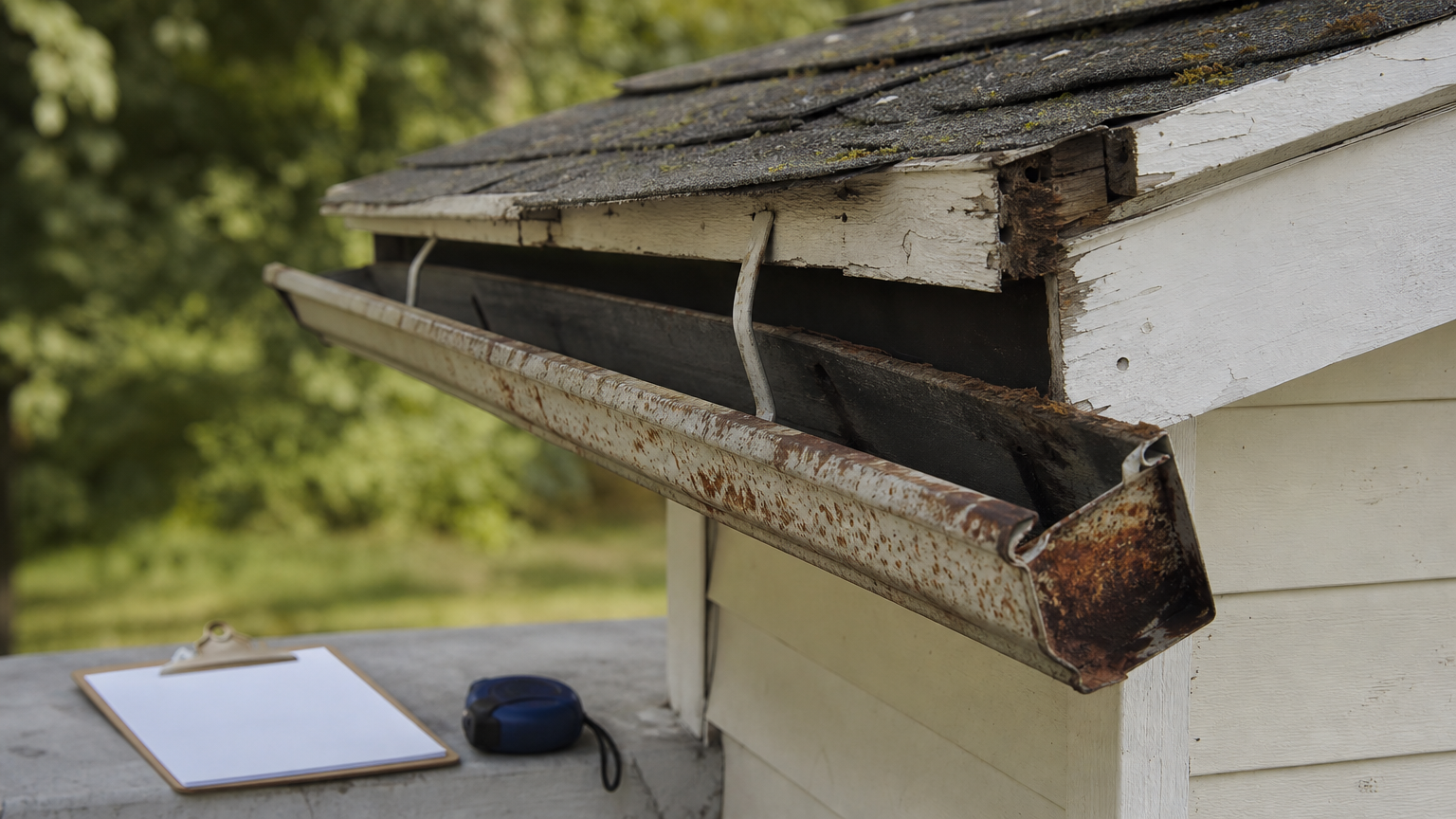
Before installing leaf guards, a contractor needs sound gutters to attach them to. If your existing system has loose hangers, separated seams, or a section pitched the wrong way, expect a separate repair line item running $50 to $250 per section depending on severity, and it’s worth having a local pro price that repair before the guards go on. Homeowners with gutters older than 15 years should budget for this almost automatically, and should compare it against what a new gutter system costs in 2026, since guards installed over failing gutters just mask a bigger problem.
Tear-off and disposal fees
If you’re replacing an old guard system rather than installing on bare gutters, someone has to remove and haul away the old material first. Tear-off and disposal typically adds $1 to $3 per linear foot on top of your new install cost, and it’s a step some low-ball quotes quietly skip to look more competitive on paper. Always ask directly whether removal of the old system is included.
Ask what’s excluded from a quote before you ask what’s included, since the gaps are usually where the real cost hides.
Permits and inspections
Most straightforward gutter guard installs don’t require a permit, but any project that involves modifying the roofline, fascia, or drip edge can trigger local permit rules. Check with your municipal building department if your installer mentions fascia repair or roofline changes, since permit fees generally run $50 to $200 and add a few days to the timeline for inspection scheduling.
Warranty upgrades and maintenance plans
Many installers offer an extended warranty or an annual maintenance visit as an add-on, and these aren’t always necessary but can be worth it for heavy tree cover. Typical extras include:
- Extended labor warranty (5 to 10 years beyond standard): $100 to $400
- Annual gutter inspection visit: $75 to $150 per visit
- Manufacturer-backed lifetime warranty upgrade on micro-mesh: $200 to $600
Financing and payment fees
Finally, if you finance the project through the contractor rather than paying cash, ask about interest rates and any origination fee attached to the plan. A 0% promotional rate for 12 months can look appealing, but some plans revert to double-digit interest if the balance isn’t paid off in time, which quietly inflates your real cost of gutter leaf guards well beyond the installed price you agreed to.
Are gutter leaf guards worth the cost
Here’s the honest answer: for most homeowners, yes, but the payback period depends heavily on how often you’d otherwise be cleaning gutters and how much a fall off a ladder would actually cost you. Gutter leaf guard prices look steep when you’re staring at a $3,000 micro-mesh quote, but stack that against 15 to 20 years of avoided cleanings and the math often tips in favor of the guards, especially if you’re paying someone else to clean twice a year anyway.
Run the break-even math
Professional gutter cleaning typically costs $150 to $300 per visit, and most homes under moderate tree cover need two cleanings a year. That’s $300 to $600 annually, which adds up to $4,500 to $9,000 over 15 years, comfortably more than most guard installations cost upfront. Leaf gutter guards cost less over that same window even at the premium end, and you skip the risk of climbing a ladder every fall and spring.
| Scenario | 15-Year Cleaning Cost (No Guards) | Guard Install Cost | Net Savings |
|---|---|---|---|
| Light tree cover, 1x/year cleaning | $2,250 to $4,500 | $600 to $1,600 (foam/screen) | $650 to $3,900 |
| Moderate tree cover, 2x/year | $4,500 to $9,000 | $1,500 to $5,400 (micro-mesh) | $0 to $7,500 |
| Heavy pine/oak cover, 3x/year+ | $6,750 to $13,500+ | $2,800 to $9,000 (premium micro-mesh) | $0 to $10,700 |
Guards rarely pay for themselves in year one, but stretched over 15 years of avoided cleanings, most homeowners come out ahead.
When guards aren’t worth it
Skip the investment if you’re planning to sell within a year or two, since guards add resale appeal but rarely recoup their full cost in a quick sale. Light tree cover and a house you clean yourself twice a year with tools that work from the ground also weakens the case, since your only real cost is time and a Saturday morning. Foam inserts on a heavy debris load are a trap too, since they clog and need replacing so often that you end up paying more over time than a mid-range screen guard would have cost from the start.
When guards clearly pay off
Heavy tree cover, a two-story home where ladder access is genuinely dangerous, or a history of ice dams are the clearest signals that guards are worth the upfront number, and from there it’s a matter of picking one of the top-performing guards tested for 2026. Anyone who’s paid a contractor $200 a visit for years already knows the math, and swapping that recurring bill for a one-time install cost is straightforward. According to the Consumer Product Safety Commission, ladder falls send tens of thousands of people to emergency rooms every year, and gutter cleaning is one of the most common home tasks that puts people on a ladder in the first place. Weigh that risk alongside the dollar figure before writing off guards as too expensive.
Getting a fair price for your gutters
You now know why one quote says $7 a foot and another says $25, and neither number is automatically wrong. The cost of gutter leaf guards depends on material, home size, roof access, and how much debris your trees drop each fall, and a fair quote should account for all four rather than just picking a number that sounds competitive. Use the ranges in this guide as your baseline, measure your own linear footage, and don’t be afraid to ask a contractor to break out labor, material, and any repair prep separately.
Armed with real numbers instead of guesswork, you’re in a much better position to spot a lowball bid that skips tear-off costs or a premium quote padded with unnecessary extras. When you’re ready to compare actual bids against everything you’ve just learned, get free gutter guard installation quotes from local pros and see how local pricing stacks up.
What should this cost you?
Answer four questions and get a fair price range for your home.