
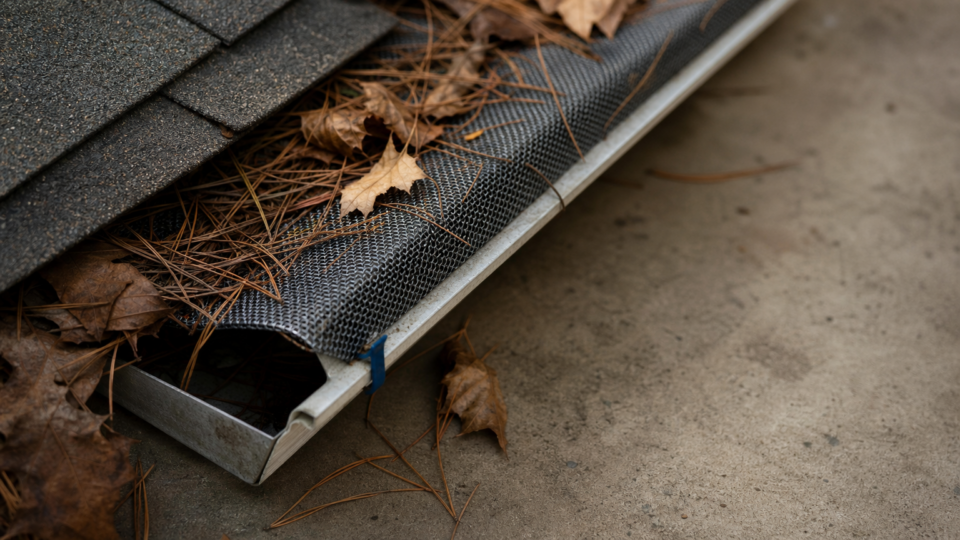
Short answer: Your gutters fill with leaves every fall, and you’re tired of climbing a ladder to dig out wet sludge with your bare hands instead of paying what pros charge to clean gutters. Before you spend money on the wrong product, you want to know which options actually work and which ones are marketing hype. That’s exactly what you’ll find here: a straight comparison of the best rated gutter guards on the market right now, based on real installation experience rather than manufacturer claims. Ready for quotes? Compare local pros →
In this guide
So what are the best gutter guards for your situation? It depends on your debris type, budget, and whether you want a professional installation or a DIY project you can tackle in a weekend. Micro-mesh systems handle pine needles and fine debris better than most, while screen and reverse-curve designs cost less upfront but need more upkeep.
In this guide, a former gutter installer breaks down the top-performing brands and styles for 2026, including the best diy gutter guards for budget-conscious homeowners and premium options built to last decades. You’ll get honest pros, cons, and price ranges for each pick, so you can choose with confidence instead of guessing.
1. LeafFilter
LeafFilter is the name most homeowners recognize first, and for good reason. It’s the largest micro-mesh gutter guard installer in the country, with a national network of trained crews and a marketing budget that dwarfs every competitor on this list. That visibility earns it a spot among the best rated gutter guards for homeowners who want a proven system backed by a company that isn’t going anywhere.
How it works
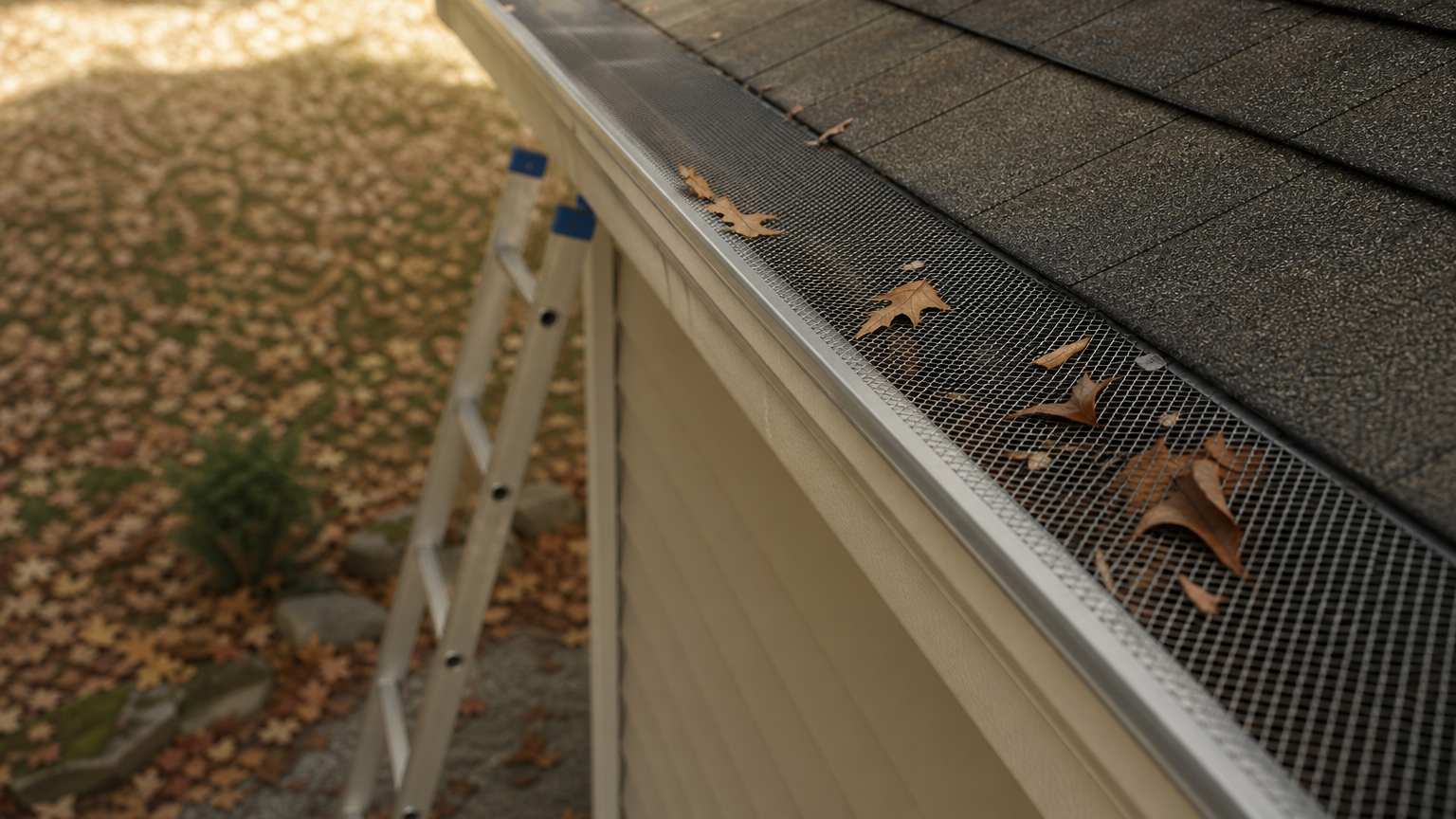
LeafFilter uses a stainless steel micro-mesh screen bonded to a rigid frame that slides under your existing shingles and hooks onto the front lip of the gutter. Water passes through roughly 275,000 micro-holes per square foot while leaves, pine needles, and even shingle grit stay on top and blow off in the wind. Installers pitch the mesh at an angle so debris doesn’t just sit there waiting for you to clear it. Because the frame is aluminum and the mesh is stainless steel, the whole assembly resists rust far longer than the cheap plastic screens sold at hardware stores.
Best for
This system suits homeowners who want a fully professional installation and don’t want to think about their gutters again for years. It handles heavy tree cover well, including maple, oak, and pine debris that clogs coarser screens. If you’ve had gutter guards fail before, or you’re comparing the best gutter guards for leaves in a yard with mixed hardwoods and conifers, LeafFilter’s fine mesh is built for exactly that mix.
A micro-mesh system like LeafFilter earns its price by keeping out the fine debris that clogs everything else.
Pricing
Expect to pay between $9 and $12 per linear foot installed, which puts a typical 200-foot home in the $1,800 to $2,400 range, right in line with what homeowners actually pay for installed gutter guards. LeafFilter rarely publishes fixed pricing online because sales reps quote based on an in-home consultation, and those consultations often include a discount if you sign that same day. Don’t let that pressure rush you.
| Home size (linear feet) | Estimated installed cost |
|---|---|
| 100 ft | $900 – $1,200 |
| 200 ft | $1,800 – $2,400 |
| 300 ft | $2,700 – $3,600 |
The company backs its product with a lifetime transferable warranty, which adds resale value if you sell your home before the guards ever need attention.
Pros and cons
Pros:
- Fine micro-mesh blocks nearly all debris, including pine needles and asphalt grit
- Nationwide network means consistent installation quality and easier warranty service
- Lifetime transferable warranty backs the product for as long as you own the home
- No DIY installation option, so you’re never left second-guessing your own work
Cons:
- Priced well above screen and reverse-curve alternatives
- Sales process leans heavily on in-home high-pressure quotes
- Requires professional installation only, so there’s no budget DIY route with this brand
- Some homeowners report longer wait times for scheduling in peak fall season
If your priority is a premium gutter guard installed once and forgotten, LeafFilter earns its reputation. If you’re price-sensitive or want to install guards yourself, keep reading, because the DIY and mid-tier options later in this list will likely fit your budget better.
What should this cost you?
Answer four questions and get a fair price range for your home.
2. MasterShield
MasterShield takes a different approach than LeafFilter, and it’s worth understanding before you assume all micro mesh gutter guards are the same. It’s a patented, raised micro-mesh system that’s been on the market for over two decades, and it markets itself heavily on a self-cleaning claim that other brands can’t match. Among the best rated gutter guards for homeowners with heavy tree cover, MasterShield stands out for the physics behind its design rather than just its mesh density.
How it works
MasterShield’s mesh sits raised above the gutter channel on a patented frame, creating a small air gap that lets wind and rain wash debris off the surface using something the company calls the Venturi effect. Water clings to the mesh’s surface tension and flows down into the gutter, while leaves and needles ride the airflow off the edge instead of settling in. The mesh itself uses a black, powder-coated micro-mesh that also blends into most rooflines better than the shiny aluminum frames on competing systems. Installers still work under the shingle line, so the setup process looks similar to LeafFilter’s on the surface, even though the underlying design differs.
The self-cleaning claim only holds up when the pitch and airflow are right, so installation quality matters as much as the mesh itself.
Best for
MasterShield fits homeowners in wooded areas who want to minimize maintenance visits without paying LeafFilter’s premium. It performs especially well on steeper roof pitches, where the airflow needed for the self-cleaning effect is strongest. If you’re comparing the best rain gutter guards for a home surrounded by mature oaks or maples, this system’s raised design handles bulkier leaves better than flat mesh screens sitting flush against the gutter.
Pricing
MasterShield installed typically runs $10 to $14 per linear foot, slightly above LeafFilter in most markets. A 200-foot home lands between $2,000 and $2,800 installed. Like most premium brands, pricing comes through an in-home quote rather than a published rate card, and the company backs installations with a limited lifetime warranty.
Pros and cons
Pros:
- Raised design reduces standing debris compared to flush-mounted mesh
- Works well on steep roof pitches where airflow assists cleaning
- Powder-coated finish blends visually with darker rooflines
- Backed by a lifetime warranty on materials
Cons:
- Costs more than LeafFilter in many regions
- Self-cleaning claims depend heavily on correct installation angle
- Limited to professional installation only
- Fewer independent installers than LeafFilter, so scheduling can be slower in some areas
3. Gutter Guards America
Gutter Guards America is a smaller, regional player that installs a reverse-curve style guard rather than micro-mesh, and it deserves a spot on any list of the best rated gutter guards because it proves you don’t need mesh to keep debris out. The company operates mainly in the Midwest and Southeast, working with local crews instead of a national franchise model. That regional focus keeps overhead lower, which shows up directly in the price you pay.
How it works
Unlike LeafFilter or MasterShield, this system uses a solid aluminum hood that curves over the gutter, forcing rainwater to cling to the curve and drop into the channel through surface tension while leaves and larger debris shoot straight off the edge. There’s no mesh to clog and no fine holes to inspect. Because the design relies on the water’s own adhesion rather than tiny openings, it handles heavy rain events without the flow restriction that overly fine mesh sometimes causes during downpours. The tradeoff is that small debris like pine needles or seed pods can occasionally lodge in the narrow front slot, so it’s not the top choice among the best gutter guards for leaves in pine-heavy yards.
Best for
Homeowners in areas with mostly broadleaf trees and moderate rainfall get the most out of this system, since it sheds large leaves easily and rarely clogs from that debris. It also suits budget-conscious buyers who still want a professional install rather than a DIY project.
A reverse-curve guard trades fine-debris protection for stronger flow-through during heavy storms.
Pricing
Installed cost typically runs $6 to $9 per linear foot, noticeably cheaper than the micro-mesh brands above. A 200-foot home lands around $1,200 to $1,800 installed. Warranty terms vary by installer since the company licenses its product to regional dealers rather than running crews directly, so ask for the written warranty before signing anything.
Pros and cons
Pros:
- Lower installed cost than most micro-mesh systems
- Solid hood design handles heavy rainfall without flow restriction
- No mesh to clog or replace over time
- Regional dealers often quote faster than national franchises
Cons:
- Narrow front slot can trap pine needles and small seed pods
- Warranty coverage varies by local dealer, not standardized nationally
- Limited availability outside the Midwest and Southeast
- Solid hood can hide minor gutter damage from view during inspections
4. LeafGuard
LeafGuard stands apart from every other product on this list because it isn’t a guard you add to your existing gutters. It’s a complete gutter replacement system with the cover built into the gutter itself, sold and installed only through LeafGuard’s own network. That one-piece design earns it a place among the best rated gutter guards for homeowners who want to solve gutter and guard problems in a single project instead of retrofitting an old system.
How it works
Crews strip your old gutters entirely and install a seamless aluminum gutter with a curved hood molded directly into the top edge. Rain flows over the hood and drops into a wide-mouth opening using the same surface-tension principle as reverse-curve guards, while leaves and debris slide off the front. Because the hood is formed as one continuous piece with the gutter, there’s no seam where the guard attaches, so there’s nothing for wind or ice to pry loose. This also means the whole system gets replaced together, not just patched.
Because the guard and gutter are one piece, there’s no separate attachment point that can loosen or fail over time.
Best for
Homeowners with old, sagging, or leaking gutters get the most value here, since you’re replacing your gutters and adding protection in one visit. It also suits anyone comparing the best rain gutter leaf guards who wants a single warranty covering the entire system rather than juggling separate coverage for gutters and guards.
Pricing
LeafGuard runs on the higher end at $12 to $18 per linear foot installed, since the price includes full gutter replacement, not just a guard. A 200-foot home typically lands between $2,400 and $3,600. Pricing again comes through an in-home consultation, and the company backs its system with a lifetime no-clog warranty covering both the gutter and the guard.
Pros and cons
Pros:
- One-piece design eliminates the seam where separate guards typically fail
- Ideal for homeowners already needing gutter replacement
- Wide-mouth opening handles heavy rain without overflow
- Lifetime no-clog warranty covers the entire system
Cons:
- Highest cost on this list since it includes full gutter replacement
- Can’t be added to your existing gutters, only installed as a full replacement
- Proprietary system means repairs require LeafGuard’s own crews
- Solid hood limits visual inspection of the gutter channel below
5. Raptor Gutter Guards
Raptor Gutter Guards flip the script from the first four picks, since this is a product you install yourself, not a crew someone sends to your driveway. Sold through Home Depot and Amazon, Raptor has built a loyal following among homeowners who want micro-mesh protection without paying for professional labor. It’s one of the best diy gutter guards on the market precisely because it doesn’t require touching your roof shingles at all.
How it works
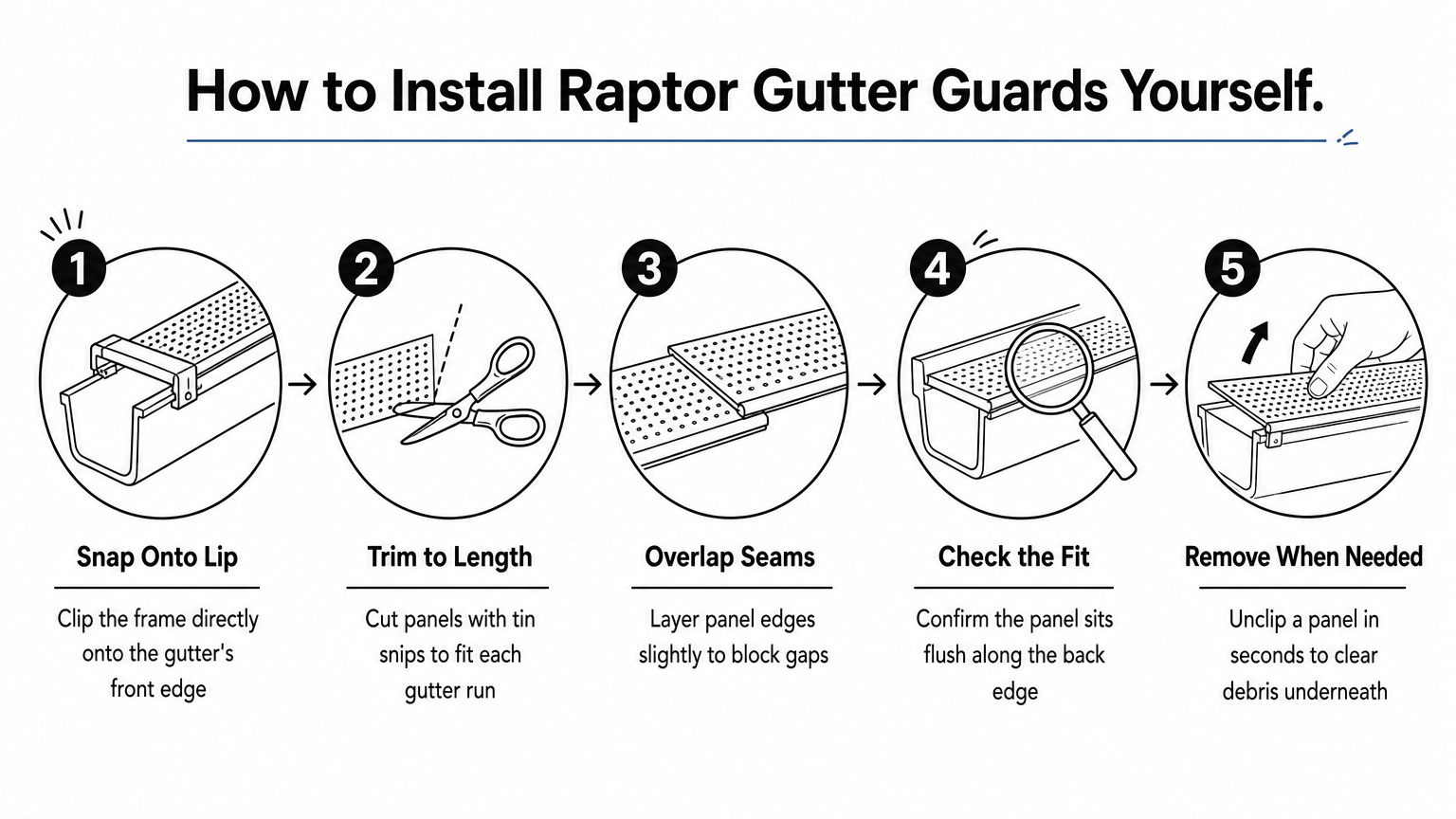
Raptor uses a stainless steel micro-mesh screen bonded to a powder-coated aluminum frame, and it snaps directly onto your existing gutter’s front lip and hangs over the back edge, no shingle removal, no screws into your roof. The mesh openings run about 50 microns wide, small enough to stop shingle grit and most seed pods while letting rainwater through even during heavy downpours. Panels come in 4-foot sections that you trim to length with tin snips, then overlap slightly at the seams to keep debris from sneaking through gaps. Because the frame just clips on, you can remove a panel in seconds if you ever need to clear something wedged underneath.
Raptor proves that a snap-on DIY design can match the mesh quality of professionally installed systems, as long as you take time on the install.
Best for
Handy homeowners comfortable on a ladder get the most from Raptor, especially if you already have straight, undamaged gutters in good shape. It also suits anyone comparing the best gutter guards diy shoppers actually buy, since it’s one of the few micro-mesh options you can pick up in a store the same day you decide to tackle the project.
Pricing
Raptor sells for roughly $2 to $3 per linear foot in materials, so a 200-foot home costs $400 to $600 total, a fraction of any professionally installed system on this list. There’s no labor cost since you’re doing the work, though budget a weekend for measuring, cutting, and fitting each panel correctly.
Pros and cons
Pros:
- Snap-on installation requires no shingle removal or roof penetration
- Costs far less than any professionally installed micro-mesh system
- Stainless steel mesh resists rust and handles fine debris well
- Widely available at home improvement stores for immediate purchase
Cons:
- Installation quality depends entirely on your own workmanship
- Panels can lift in high winds if not fitted snugly
- No professional warranty backing the labor, only the materials
- Awkward on gutters with existing damage or uneven pitch
6. WaterLock Pro
WaterLock Pro is a reverse-curve style guard aimed at homeowners who want the flow-through advantages of a solid hood design but at a lower price point than the big-name brands. It’s manufactured by a smaller outfit that sells mostly through regional dealers and a handful of online distributors, so you won’t see it advertised on television the way you see LeafFilter or LeafGuard. Among the best rated gutter guards in this style, WaterLock Pro earns its spot by delivering similar performance to pricier reverse-curve systems without the marketing markup.
How it works
Aluminum panels curve over the top of your gutter, using the same surface-tension principle as other reverse-curve products: water clings to the underside of the curve and drops into the channel while leaves and larger debris slide off the front edge. WaterLock Pro’s panels are noticeably thicker gauge than most competitors, which cuts down on the oil-canning noise you sometimes hear during heavy rain on thinner aluminum guards. Installers screw the panels directly to the top of the fascia board rather than sliding them under shingles, so the install crew doesn’t need to touch your roofline at all.
A thicker aluminum panel means less rattling and warping over years of freeze-thaw cycles.
Best for
Homeowners who want a solid hood design without paying LeafGuard’s full-replacement price fit this product well. It also suits anyone comparing the best rain gutter guards for a home with mostly broadleaf trees, since fine debris like pine needles isn’t its strength.
Pricing
Installed cost runs $7 to $10 per linear foot, putting a 200-foot home between $1,400 and $2,000. Materials-only kits are also sold for DIY installers at roughly $3 to $4 per linear foot, making WaterLock Pro one of the more flexible options if you’re deciding between hiring out and doing it yourself.
Pros and cons
Pros:
- Thicker aluminum reduces noise and warping compared to thinner reverse-curve panels
- Fascia-mounted installation avoids any work under the shingle line
- Available as both a professional install and a DIY kit
- Lower cost than most micro-mesh alternatives
Cons:
- Struggles with fine debris like pine needles and small seed pods
- Regional dealer network means limited availability in some states
- Warranty terms vary depending on whether you buy the DIY kit or professional install
- Solid panels make it harder to spot minor gutter damage without removing them
7. A-M Gutter Guard
A-M Gutter Guard has been around since the 1980s, long before micro-mesh became the industry standard, and it’s stuck around because it does one thing well: keep leaves out at a price almost anyone can afford. It’s a lightweight nylon mesh screen rather than metal, which sets it apart from every other product on this list so far. Among the best rated gutter guards for homeowners who just want a simple, no-frills fix, A-M’s screen has earned decades of repeat customers who don’t need a fifty-year warranty to feel confident buying it.
How it works
A-M’s screen is a woven black nylon mesh stretched over a lightweight frame that snaps under the shingle edge or clips onto the front lip of the gutter, depending on which version you buy. Rainwater passes through the woven openings while leaves and larger debris slide off the slanted surface. Because nylon weighs a fraction of stainless steel or aluminum, the panels are easy to handle on a ladder, and you can cut them to length with ordinary scissors instead of tin snips. The mesh openings run coarser than premium micro-mesh systems, so it won’t stop shingle grit or fine seed pods, but it handles standard leaf debris just fine.
A-M proves you don’t need metal mesh to keep leaves out, just a design that sheds them fast.
Best for
This screen suits homeowners with mostly deciduous trees and a tight budget who want the best gutter guards for leaves without paying micro-mesh prices. It’s also a solid pick if you’re renting or planning to sell soon and don’t want to sink money into a decades-long system.
Pricing
A-M sells for roughly $1 to $2 per linear foot in materials, so a 200-foot home runs $200 to $400 total for a DIY install. Some regional dealers offer professional installation for an added labor fee, typically bringing the total to $4 to $6 per linear foot installed.
Pros and cons
Pros:
- Among the cheapest options on this list, ideal for tight budgets
- Lightweight nylon is easy to cut and handle without special tools
- Simple snap or clip installation suits DIY homeowners
- Long track record since the 1980s
Cons:
- Nylon mesh degrades faster in direct sun than metal alternatives
- Coarser weave lets fine debris and grit through
- Not rated for pine needle-heavy properties
- Warranty coverage is shorter than premium metal systems
8. Gutter RX
Gutter RX takes a hybrid approach that splits the difference between fine mesh and coarse screen, and it’s built specifically for homeowners who’ve already tried a cheaper guard and watched it fail. The company sells direct to consumers online rather than through big-box stores, and it markets itself as an upgrade path for anyone replacing a nylon or plastic screen that clogged within a season or two. Among the best rated gutter guards for a mid-tier price point, Gutter RX earns its place by targeting the exact debris that trips up coarser screens without charging premium micro-mesh prices.
How it works
Gutter RX uses a powder-coated aluminum mesh with openings sized between standard screen and true micro-mesh, fine enough to stop pine needles and asphalt grit but coarse enough that a light rain never overwhelms it. Panels sit flush against the gutter’s front lip and slide slightly under the shingle line, similar to premium systems, but the aluminum mesh is stamped rather than woven, which keeps manufacturing costs down. Rain drops through the perforations while debris rides off the pitched surface. Because the mesh is aluminum rather than stainless steel, it resists rust well but isn’t quite as durable long-term as the stainless options higher on this list.
A mid-tier mesh like Gutter RX works because it targets the debris that actually clogs gutters, not every particle that lands on the roof.
Best for
Homeowners upgrading from a failed screen guard get real value here, especially if their yard has a mix of leaves and occasional pine needles rather than heavy year-round conifer debris. It also fits anyone comparing the best gutter guards for leaves who wants better performance than nylon screen without paying LeafFilter or MasterShield pricing.
Pricing
Gutter RX runs $5 to $8 per linear foot professionally installed, putting a 200-foot home between $1,000 and $1,600. A DIY kit is also available directly from the manufacturer at roughly $2.50 to $3.50 per linear foot for homeowners comfortable installing it themselves.
Pros and cons
Pros:
- Mid-tier mesh blocks more debris than basic screen without micro-mesh pricing
- Available as both professional install and DIY kit
- Powder-coated aluminum resists rust well
- Direct-to-consumer sales keep costs lower than franchise brands
Cons:
- Aluminum mesh isn’t as durable long-term as stainless steel
- Struggles in yards with heavy year-round pine needle drop
- Limited installer network compared to national brands
- Warranty terms are shorter than premium micro-mesh competitors
9. Foam gutter guards
Foam gutter guards are the simplest product on this list, and that simplicity is exactly why they still sell at every hardware store in the country. A foam insert sits directly inside your gutter channel rather than clipping onto the lip or sliding under shingles, so there’s no frame to measure and no hardware to attach. Foam guards rank among the best do it yourself gutter guards for homeowners who want something they can install in an afternoon without tools, even if they don’t offer the longevity of metal systems higher on this list.
How it works
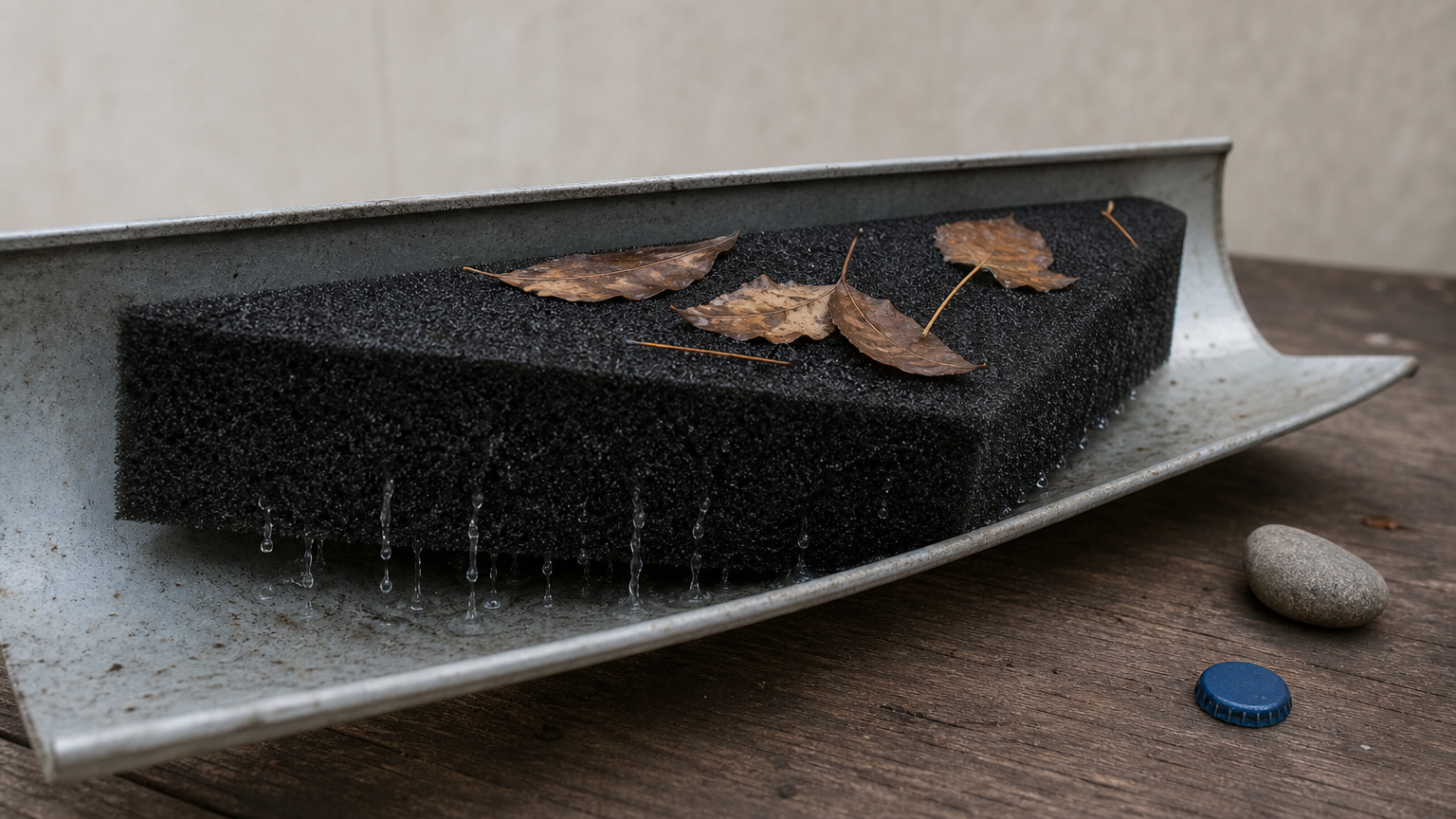
A triangular wedge of porous polyurethane foam sits wedged into the top of the gutter, letting rainwater soak through the pores while leaves and larger debris stay on top and eventually blow off or decompose. There’s no cutting to precise measurements since the foam compresses slightly to fit, and you simply push each piece into place along the gutter run. Because the foam sits inside the channel rather than covering it, you never touch your roofline or fascia board during installation.
Foam works fine on light debris, but it’s the first system on this list to lose to fine grit and standing water.
Best for
This style suits renters, landlords, and anyone testing whether gutter guards are worth the investment before committing to a pricier system. It also fits homeowners with mostly leaf debris and little pine cover, since foam clogs faster once needles or seed pods get involved. If you’re comparing the best gutter leaf guards purely on upfront cost, foam wins on price even though it trails every mesh and reverse-curve product above it on durability.
Pricing
Foam inserts cost roughly $1 to $2 per linear foot, so a 200-foot home runs $200 to $400 in materials with no installation labor needed. Most brands sell in pre-cut lengths at home improvement stores, and there’s rarely a warranty beyond a basic manufacturer defect guarantee.
Pros and cons
Pros:
- Cheapest option on this list, with no tools or cutting required
- Installs in minutes per section, ideal for small jobs or rentals
- No roof or fascia contact needed during installation
- Widely available at nearly any hardware store
Cons:
- Degrades from UV exposure and sun within a few years
- Traps small seeds and grit inside the foam pores over time
- Can hold moisture against the gutter, encouraging rust in steel gutters
- Not backed by a meaningful long-term warranty
10. Gutter brush guards
Brush guards close out this list because they solve a narrow problem well, even though they’re the least polished product here. A cylindrical brush made of stiff bristles sits down inside your gutter channel, looking a bit like an oversized pipe cleaner. Homeowners searching for the best gutter guards do it yourself projects gravitate toward brush guards because installation is almost comically simple, and the price rarely breaks $150 for an average home.
How it works
Each section is a wire spine wrapped in polypropylene bristles, cut to fit your gutter’s length and dropped straight into the channel. Rainwater flows underneath and around the bristles into the downspout, while leaves and larger debris catch on top of the brush instead of settling into standing water. Wind and gravity eventually work loose debris off the bristles over time, though pine needles tend to weave into the brush fibers rather than blow away. Because there’s no frame, no clips, and no shingle work involved, you can install an entire gutter run in under an hour.
Brush guards trade long-term performance for the simplest install on this list, and that tradeoff suits a specific kind of homeowner.
Best for
Seasonal cabins, rental properties, and homeowners testing whether guards help before spending real money all fit this product well. It also suits anyone comparing the best rain gutter leaf guards for a short-term fix rather than a decades-long solution, since bristles wear out and need replacing every few years.
Pricing
Brush guards run about $0.75 to $1.50 per linear foot, so a 200-foot home costs $150 to $300 in materials with zero labor since you install them yourself. Most brands sell in 3 to 5-foot sections at hardware stores, and there’s no meaningful warranty beyond a defect guarantee on the wire spine.
Pros and cons
Pros:
- Lowest install effort of any product on this list, no cutting to exact fit required
- Inexpensive enough to try on one section before committing whole-house
- Works in any gutter shape or size without special tools
- Easy to remove and reposition if debris builds up
Cons:
- Bristles trap needles and seeds rather than shedding them
- Requires periodic replacement as bristles flatten and rot
- Least effective option here against heavy debris loads
- No professional installation or warranty backing available
Choosing the right gutter guard for your home
Your yard, budget, and patience for maintenance should drive this decision more than any single brand name. Micro-mesh systems like LeafFilter and MasterShield earn their price when pine needles and grit are your real problem, while reverse-curve products like Gutter Guards America or WaterLock Pro make more sense if broadleaf trees dominate your property and heavy rain flow matters most. Budget-conscious homeowners shouldn’t feel pressured into premium pricing when Raptor, A-M, or even foam and brush guards solve the same problem for a fraction of the cost, as a look at gutter guard prices by material makes clear.
Whatever style fits your situation, the best rated gutter guards only perform as well as their installation. A crooked panel or a poorly pitched hood undoes even the best mesh on this list. If you’d rather skip the guesswork and get a straightforward price for your home, compare free gutter guard installation quotes from local pros and check them against what you’ve read here.
What should this cost you?
Answer four questions and get a fair price range for your home.